
CLASSICAL EDUCATION
Timeless Intellectual and Moral Formation
Classical education teaches students to think deeply, speak clearly, and live purposefully by engaging the Great Books, the liberal arts, and the Church’s tradition. These works have shaped the world for centuries, and they still speak powerfully to the hearts and minds of students today.
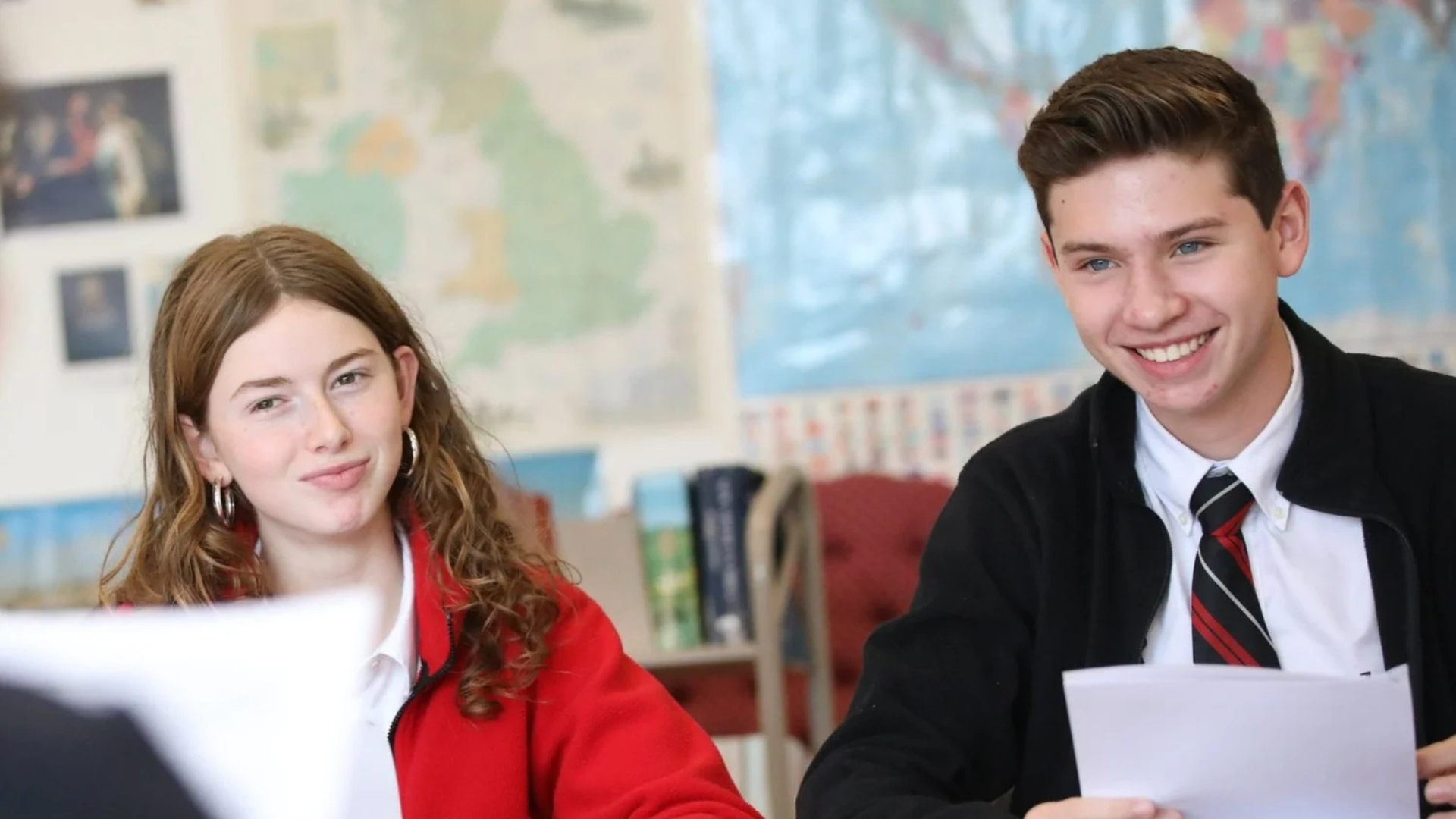
In small, seminar-style classes, students read original texts and enter guided Socratic conversations, learning to ask good questions, listen well, weigh evidence, and make sound arguments. Across courses, the trivium is practiced in real time: Grammar (mastery of language and facts), Logic (clear reasoning), and Rhetoric (persuasive writing and speaking).
Faith and reason are united in daily study and life; instruction is faithful to the Magisterium and rooted in Scripture and the Church’s Tradition. Devout faculty offer personalized mentorship, knowing each student, giving detailed feedback, and guiding growth in study habits, character, and vocation to help students thrive at CKA and beyond.
“When I think about classical education, I think of the education our kids deserve. Textbooks tell you what scholars have said about events—recent or hundreds, even thousands of years old. In a classical education, we meet the texts themselves, head-on and in conversation with each other, because they still speak—to me, to you, and to a 15-year-old.”
— Dr. Alexander Miller, Principal
THE FOUR ERAS: AN INTEGRATED COURSE OF STUDY
At CKA, the humanities are taught as a single, connected story. History and literature move in step through four eras, and theology, art, music, and Latin are coordinated to the same period. This cross‑curricular approach helps students see how ideas, events, and works of art influence one another, deepening understanding and retention.
Ancients
(c. 750 BC–AD 400)
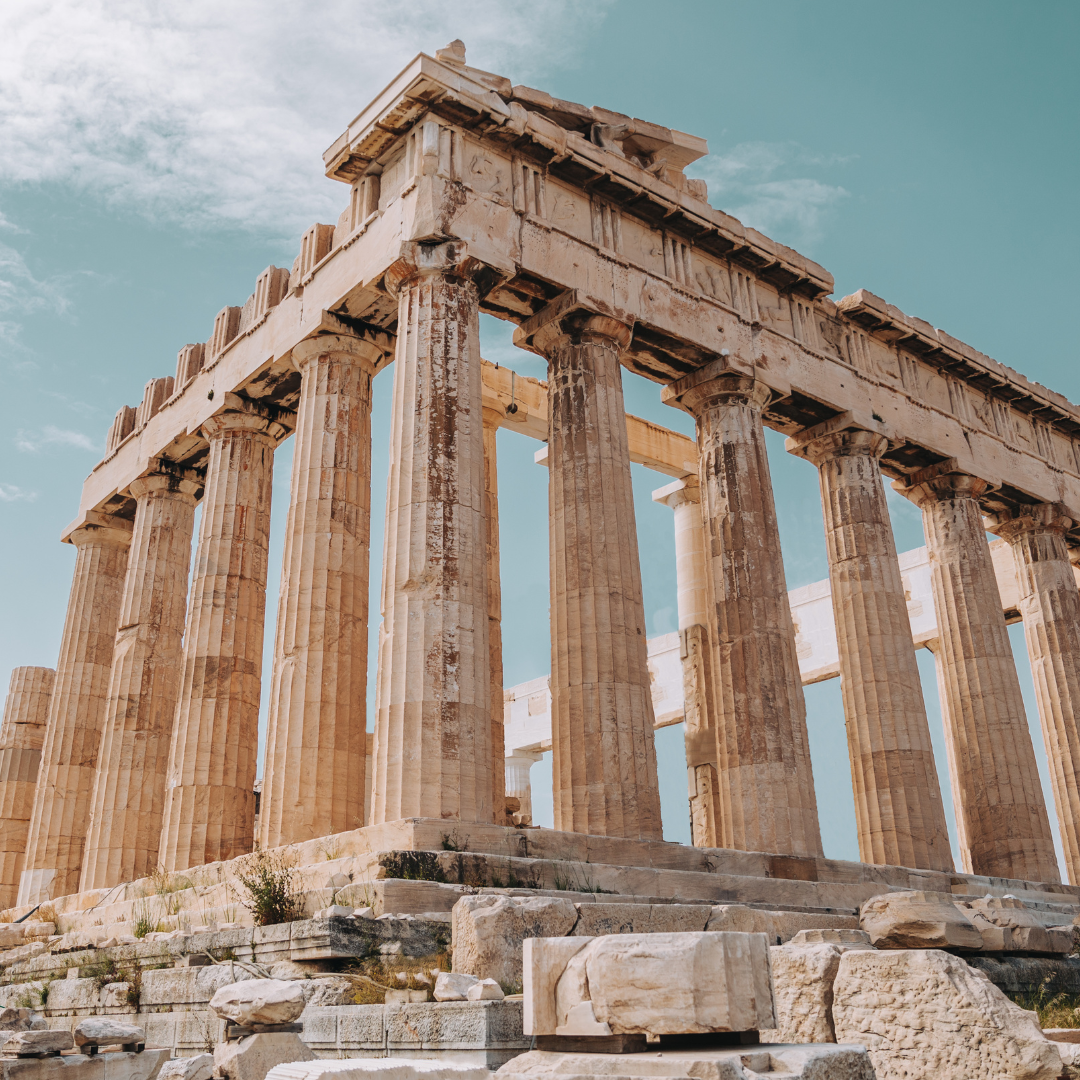
Students encounter the foundations of Western thought and culture, epic poetry, classical philosophy, republican and imperial government, and Scripture situated within the ancient world. Studying literature and history alongside Latin and theology clarifies how ideas about virtue, justice, and citizenship took shape and still influence us today.
Medieval
(c. AD 400–1453)
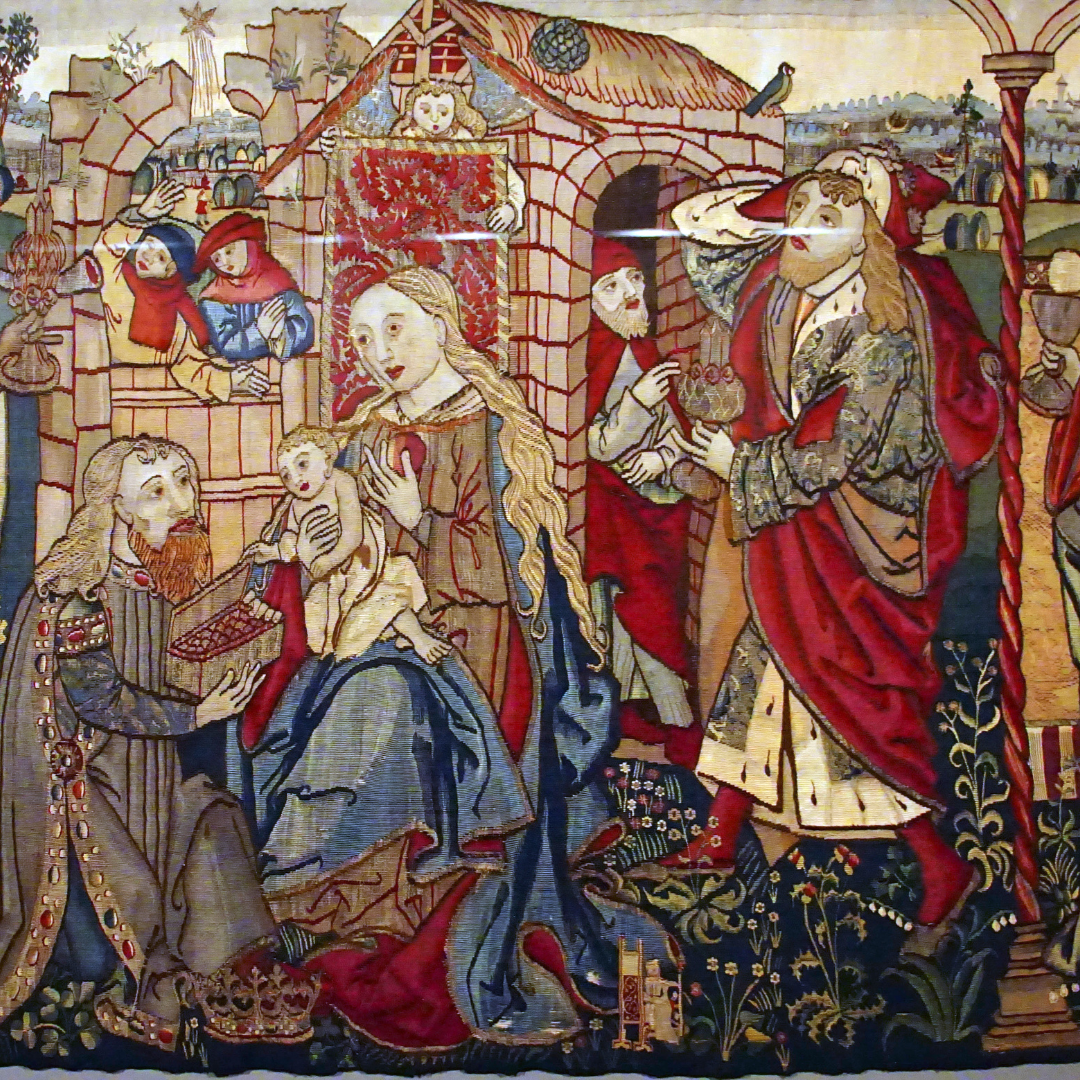
This era explores Christendom, monastic life, chivalry, scholastic inquiry, and the synthesis of faith and reason. Coordinated study of texts, history, sacred art and music, and Latin shows how worship, learning, and law formed a coherent Catholic culture that paved the way for modern law and the arts.
Renaissance & Early Modern
(c. 1453–1900)
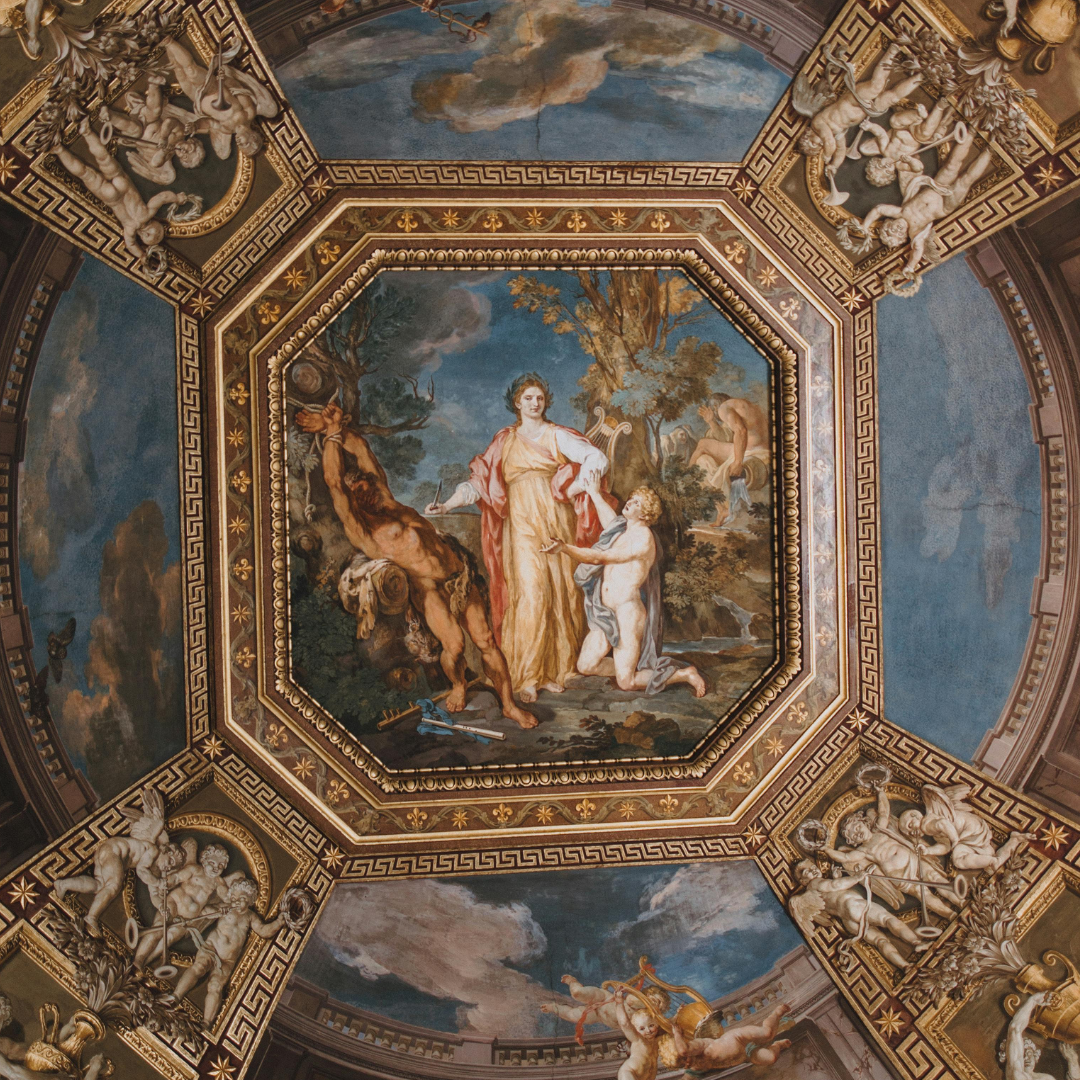
Students trace Renaissance humanism, the Reformation and Counter-Reformation, exploration, the rise of the scientific method, and emerging nation-states. Integrated coursework helps them examine shifting ideas about authority, liberty, and conscience alongside philosophical ethics and moral theology.
Modern/American
(c. 1900–present, U.S. focus)
This period examines American ideals and contradictions, industrialization, world wars, modern media, and contemporary Catholic witness. Cross-curricular study builds mature civic judgment and the ability to apply enduring principles to today’s political debates and apologetics.
MATH & SCIENCE
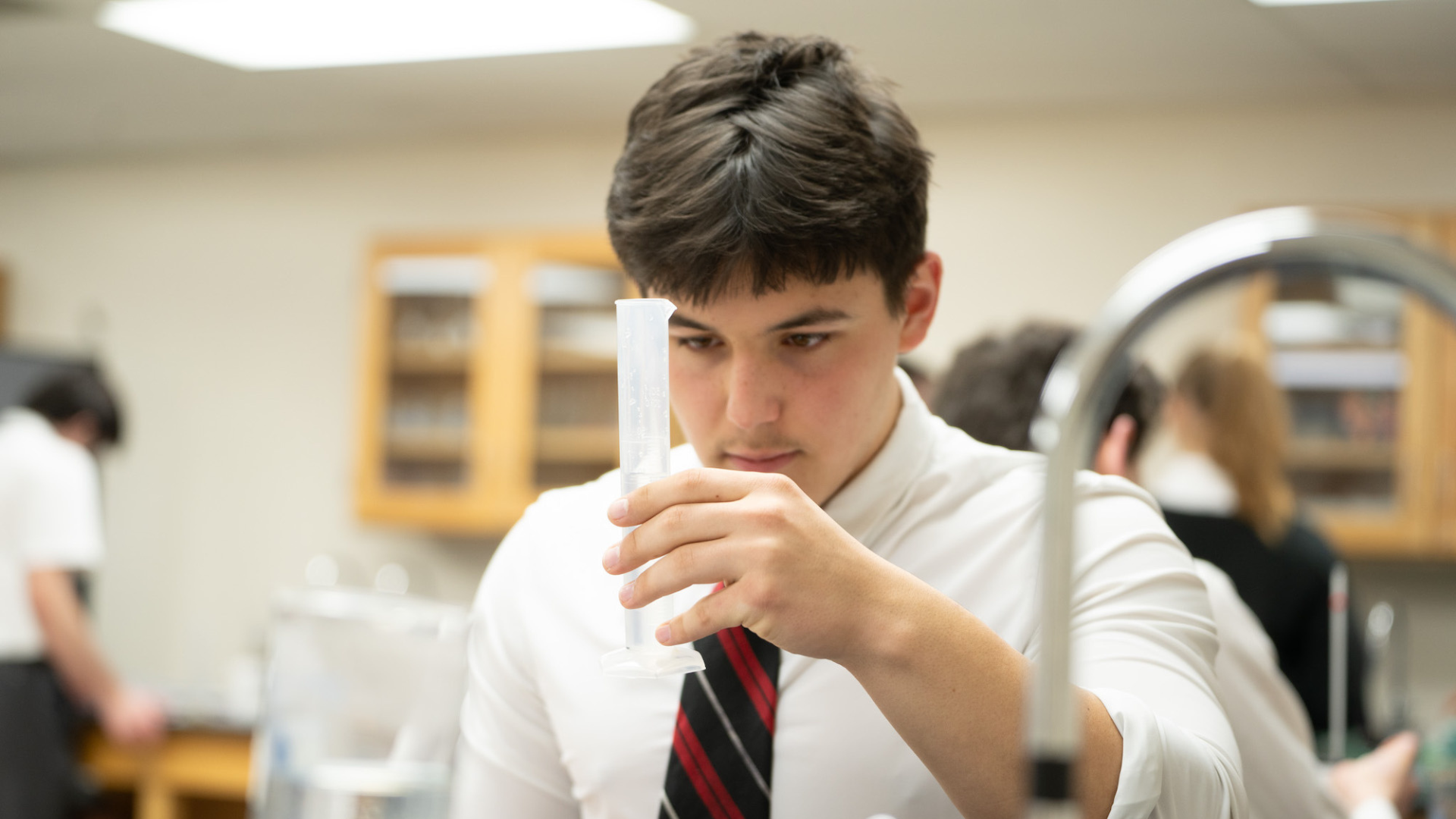
In the liberal arts tradition, math and science train the mind for truth: precise reasoning, careful observation, and wonder at the order of creation.
Middle School: Students build strong foundations in arithmetic, pre‑algebra, and algebraic thinking alongside hands‑on, curiosity‑driven science. Advanced students have the opportunity to take high-school courses under the same roof. Lab activities and demonstrations cultivate careful measurement, note‑taking, and the habits of inquiry that prepare students for high‑school math and laboratory sciences.
High School: A rigorous sequence develops fluency and problem‑solving across mathematics and the sciences. Typical courses include Algebra, Geometry, Algebra II/Pre‑Calculus, Calculus, Advanced Math, Economics, Biology, Chemistry, and Physics. We also offer AP courses in Computer Science, Macroeconomics, Pre-Calculus, and Calculus.
Unplugged at CKA
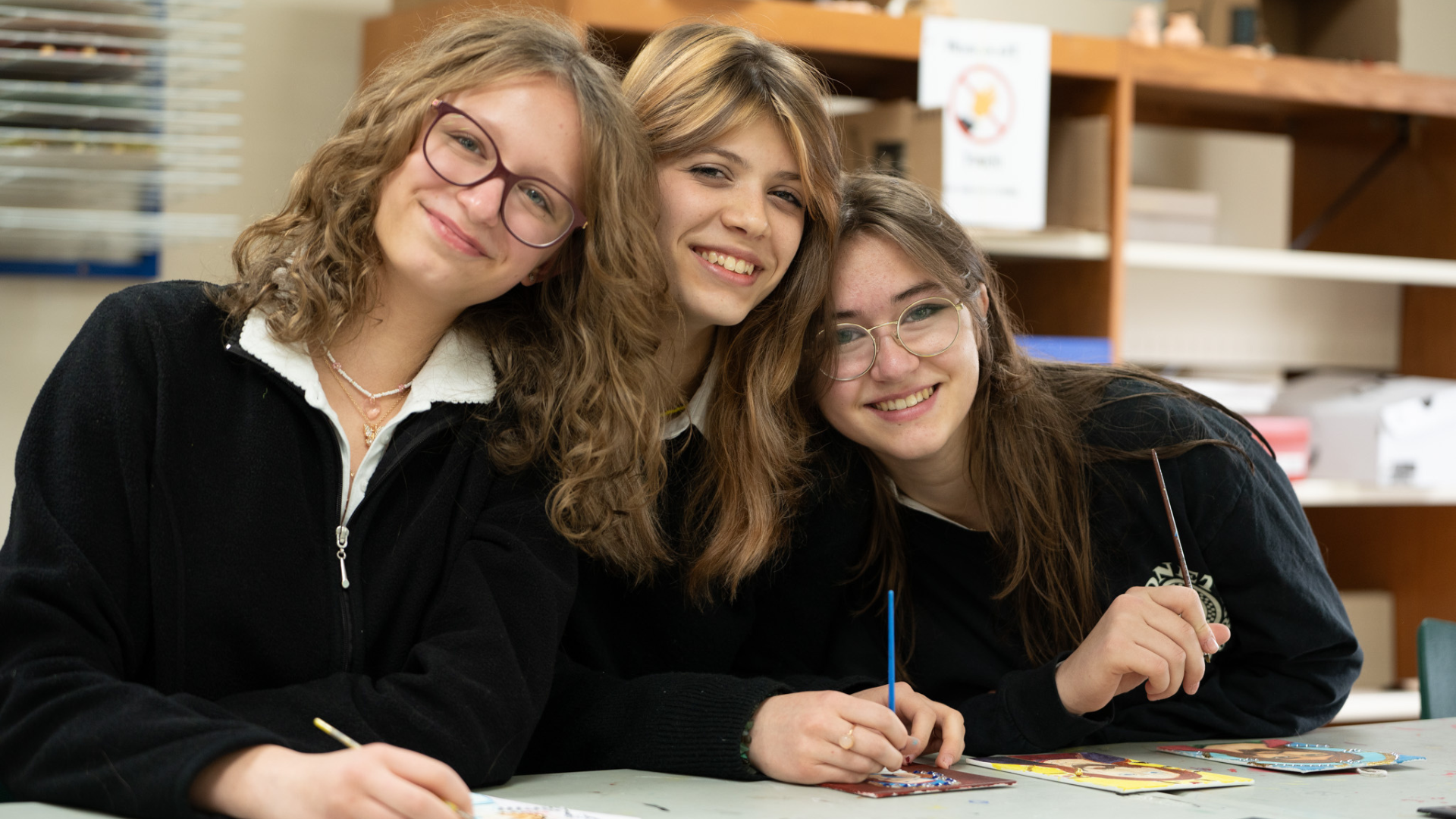
At CKA, students are taught not simply to consume information, but to think clearly, question thoughtfully, and reason well. We keep classrooms unplugged so students can attend to what matters most: real books, real conversations, and real connections. This device-free environment promotes focused study and personal interaction, protects intellectual honesty, and builds healthy social and academic relationships within our community. By limiting digital distractions with intention, students strengthen uniquely human capacities: attention, judgment, clarity of speech, and moral courage.
In an AI age, we are forming prudent, responsible stewards who navigate the digital world with wisdom and integrity, always asking not only what technology can do but what it should do. Students learn that while AI may be a powerful tool, it is no substitute for human insight and creativity.
Technology Policies:
Outside school hours, students use technology prudently for research, writing, presentations, scientific calculations, and appropriate communication.
Teachers may use limited, purposeful tools to support instruction when they clearly serve learning in specific cases.
We form habits for wise digital citizenship: clear sourcing, careful note‑taking, and responsible collaboration.